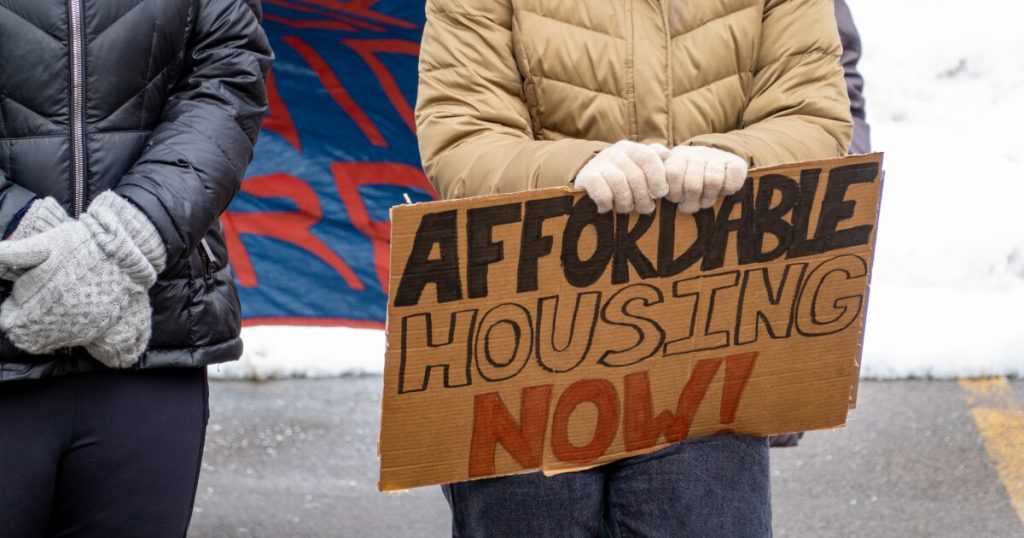
Families facing housing instability are often navigating challenges that extend far beyond a single crisis. Cycles of poverty, generational trauma, systemic inequities, and a severe shortage of affordable housing make it incredibly difficult for families to achieve lasting stability—even when they are working hard to do so.
Humanitri’s two-generational Transformational Housing Program addresses these realities by providing stable housing, professional support, and practical tools that empower both parents and children to build a new path forward.
Breaking Cycles That Didn’t Begin Overnight
For many families, housing instability is not the result of one bad decision or a single moment of crisis. It is the result of generations of barriers that compound over time—barriers that make stability difficult to achieve and even harder to sustain.
At Humanitri, we work with families who are determined to build a better future, but who are navigating challenges rooted in cyclical poverty, generational trauma, systemic inequities, and an increasingly unaffordable housing market.
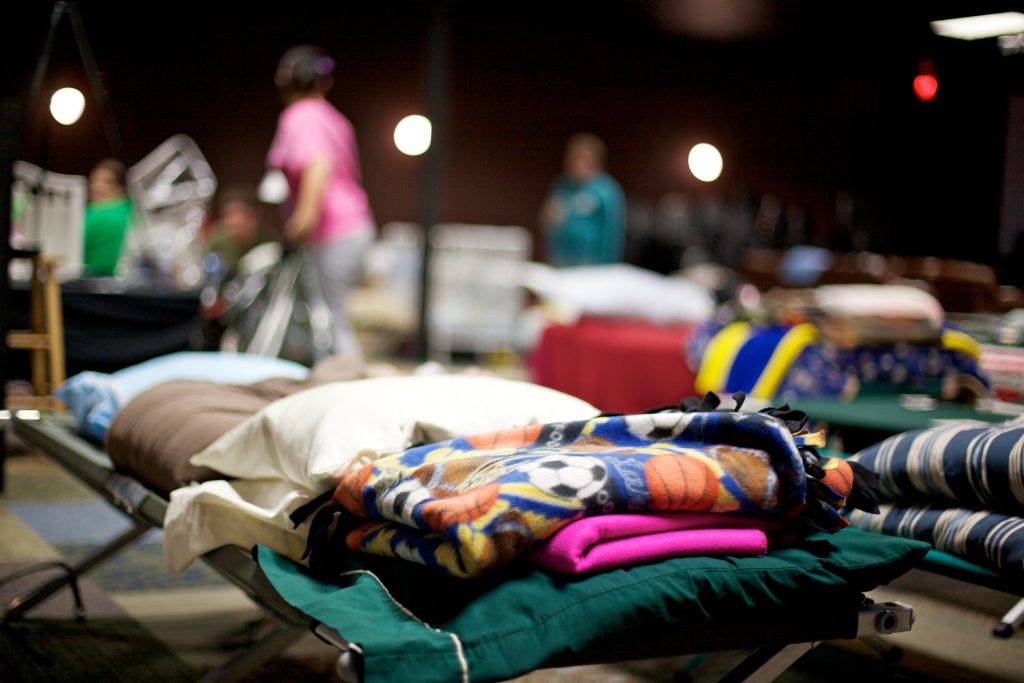
CYCLICAL POVERTY
Poverty is rarely temporary when the systems surrounding a family make it difficult to move forward. Many of the families we serve grew up in environments where financial instability, housing insecurity, and limited opportunity were the norm.
Without access to resources, financial education, and supportive networks, these challenges repeat themselves from one generation to the next.
Breaking that cycle requires more than temporary assistance—it requires intentional support, skill-building, and time to create lasting change.

GENERATIONAL TRAUMA
Families experiencing housing instability often carry the weight of deep emotional and psychological wounds.
Experiences such as domestic violence, childhood adversity, unstable housing, and chronic stress can impact how adults navigate work, relationships, parenting, and decision-making.
Children growing up in these environments are also deeply affected. Without intervention, trauma can shape their development, educational outcomes, and future stability.
That is why addressing trauma is essential to building lasting stability.
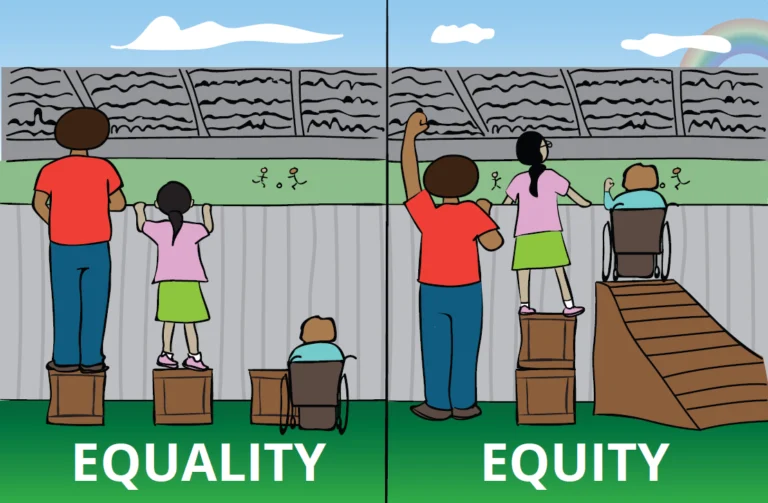
SYSTEMIC BARRIERS AND INEQUITIES
Many families also face structural barriers that limit opportunity, including historic inequities in housing, education, and employment.
Limited access to quality schools, safe neighborhoods, reliable transportation, healthcare, and fair employment opportunities can make it extremely difficult for families to build financial stability—even when they are working hard to do so.
These systemic realities mean that many families start far behind the starting line.